

Join us in combating rheumatic heart disease, saving 300,000 lives annually through vital support and global action.
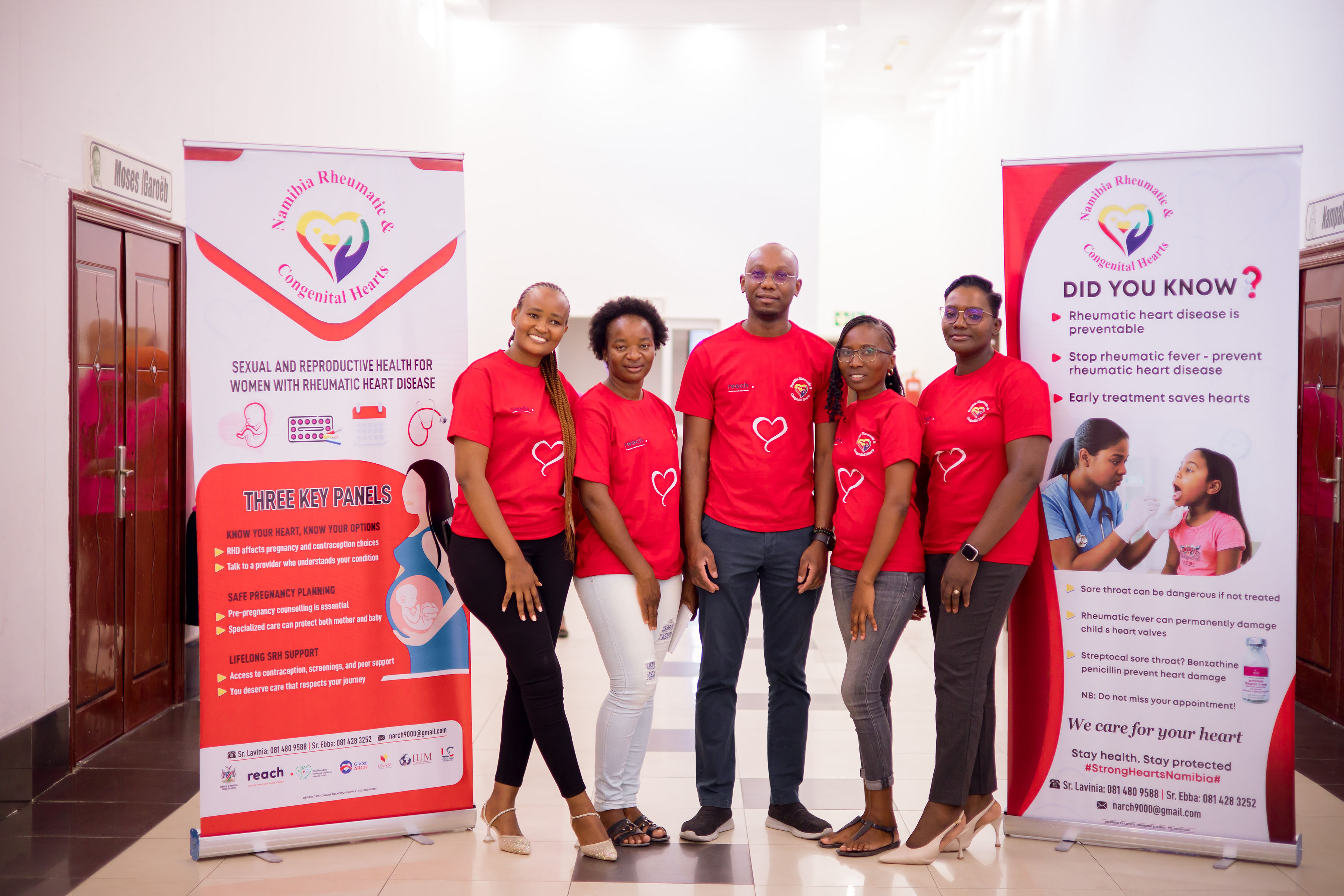
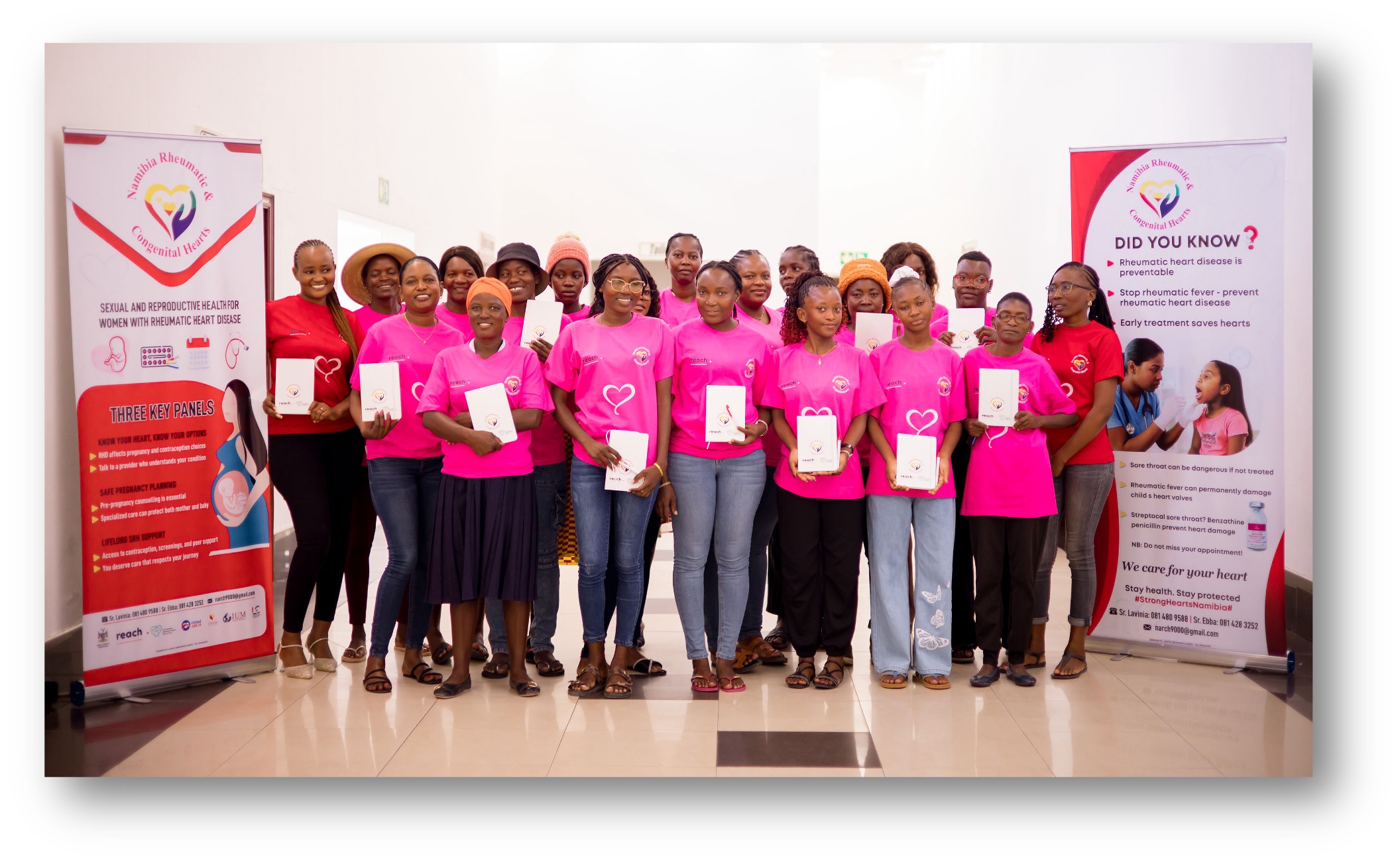
The Sexual and Reproductive Health (SRH) Training Workshop for Women Living with Rheumatic and Congenital Heart Disease in Namibia was conducted from 28–30 November 2025 in Ondangwa, Oshikoto Region. The three-day workshop aimed to strengthen SRH literacy, improve informed decision-making, and support safer pregnancy planning among women living with cardiac disease, a population at elevated risk of maternal and neonatal complications.
The workshop brought together 24 participants, the majority living with rheumatic heart disease, recruited through cardiac outpatient departments at Windhoek Central Hospital, Intermediate Hospital Oshakati, and Intermediate Hospital Onandjokwe. The programme was delivered by a multidisciplinary team including patient advocates, cardiology and obstetric specialists, pharmacy and dental professionals, and public-sector clinicians from the Ministry of Health and Social Services.
Educational sessions addressed pregnancy risks, medication safety, anticoagulation management, infection prevention, family planning options, and patient self-management. Interactive peer-support sessions enabled participants to share lived experiences and strengthen advocacy confidence.
Monitoring and evaluation findings demonstrated measurable improvements in several priority knowledge areas:
- Awareness that benzathine penicillin prophylaxis is safe during pregnancy increased from 54% at baseline to 70% post-training
- Knowledge that prophylaxis prevents disease progression increased from 36% to 65%
- Recognition of the importance of regular pregnancy monitoring increased to 100% following the workshop
Participant feedback indicated strong satisfaction with the workshop format, particularly the multidisciplinary clinical engagement and inclusion of women living with cardiac disease as facilitators. Participants strongly recommended continued educational initiatives, expansion of community awareness activities, and inclusion of partners and family members in future programmes.
Overall, the workshop successfully strengthened SRH literacy, improved patient confidence in engaging healthcare services, and established a foundation for continued peer support and advocacy for women living with cardiac disease in Namibia.
This work was supported by Reach, through a small grant to Community Advisory Network member Ms Lavinia Ndinangoye.






.png)
.png)


.png)
.png)

.png)


.png)


